Travel nurse housing in Denver: a 13-week-stay guide for 2026 contracts
Postlease operations · Healthcare · 8 min read · Last reviewed 2026-05-22

Most travel nurses start looking for housing in Denver with a hospital and a start date already set, and about two weeks to find somewhere before the contract begins.
Where you live relative to that hospital, and whether you can get a real lease, matter more than anything else — and both are easier to settle before you accept the contract than after.
Pick the neighborhood from the hospital
Denver's hospitals sit on a rough arc through the eastern half of the city, and where you're contracted should decide where you live. The University of Colorado's Anschutz campus is the outlier — it's in Aurora, eight miles east of downtown — so a contract there points you east of Colorado Boulevard, to Park Hill, Central Park, or Lowry, where the drive stays under fifteen minutes. From the central neighborhoods like Cheesman Park or Capitol Hill, add about five; from RiNo, about fifteen.
If you're at Saint Joseph, Presbyterian/St. Luke's, or Denver Health, you're working in or near central Denver, and almost anything inside the I-25 and I-70 loop gets you to the floor in under fifteen minutes. Cheesman Park and Capitol Hill are the closest residential pockets; RiNo is a few minutes north.
The fifteen-minute rule earns its keep over a 13-week contract. Three shifts a week for three months is a lot of driving, and the gap between a ten-minute commute and a thirty-minute one is most of an hour back in your day every shift you work.
The paperwork your agency will check
Most agencies ask for the same documents: a signed residential lease — not a booking confirmation — proof of address, and an itemized monthly receipt for the stipend. Some also want a W-9 from whoever you're renting from. This is the paperwork Postlease books healthcare stays on, so it's worth knowing what to ask any operator for.
This is where booking through Airbnb causes trouble: a reservation isn't a lease, Airbnb won't issue one, and a compliance team often won't take it as proof of address. Furnished Finder works differently — it's really just how you find the rental, and you sign a lease directly with whoever owns it. Either way, what matters is whether the operator will put a real residential lease in front of you. Ask before you book, not after.
Whether the stipend covers it
Housing stipends for Denver contracts generally land in the low thousands a month, set against the GSA per-diem rate for the area. A furnished studio or one-bedroom in the central neighborhoods tends to sit in the same range or a little above — so the stipend usually either covers the rent or leaves a manageable gap, not the windfall some recruiters imply, but rarely a loss if you choose the neighborhood sensibly.
The stipend is paid as a flat amount whether your rent runs higher or lower, so whatever you save on housing is yours to keep. The catch is tax: it's only tax-free if you're keeping a real tax home somewhere else and duplicating expenses to qualify. If you don't, it's taxed as ordinary income, which changes the math — worth a conversation with a preparer who knows travel-nurse rules before you sign.
Before you sign
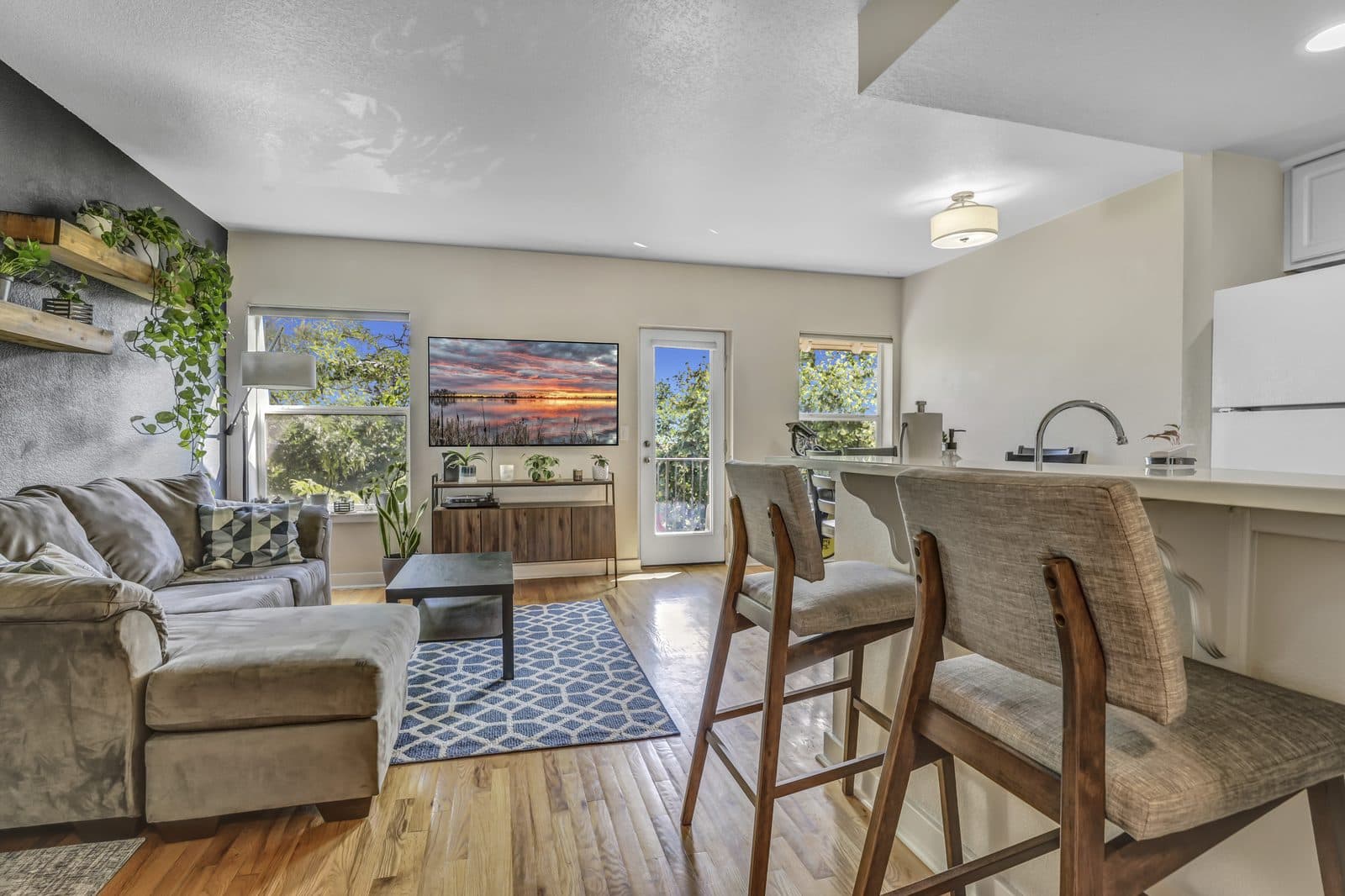
A furnished mid-term rental should be turnkey, but a few things are worth getting in writing before you commit to thirteen weeks:
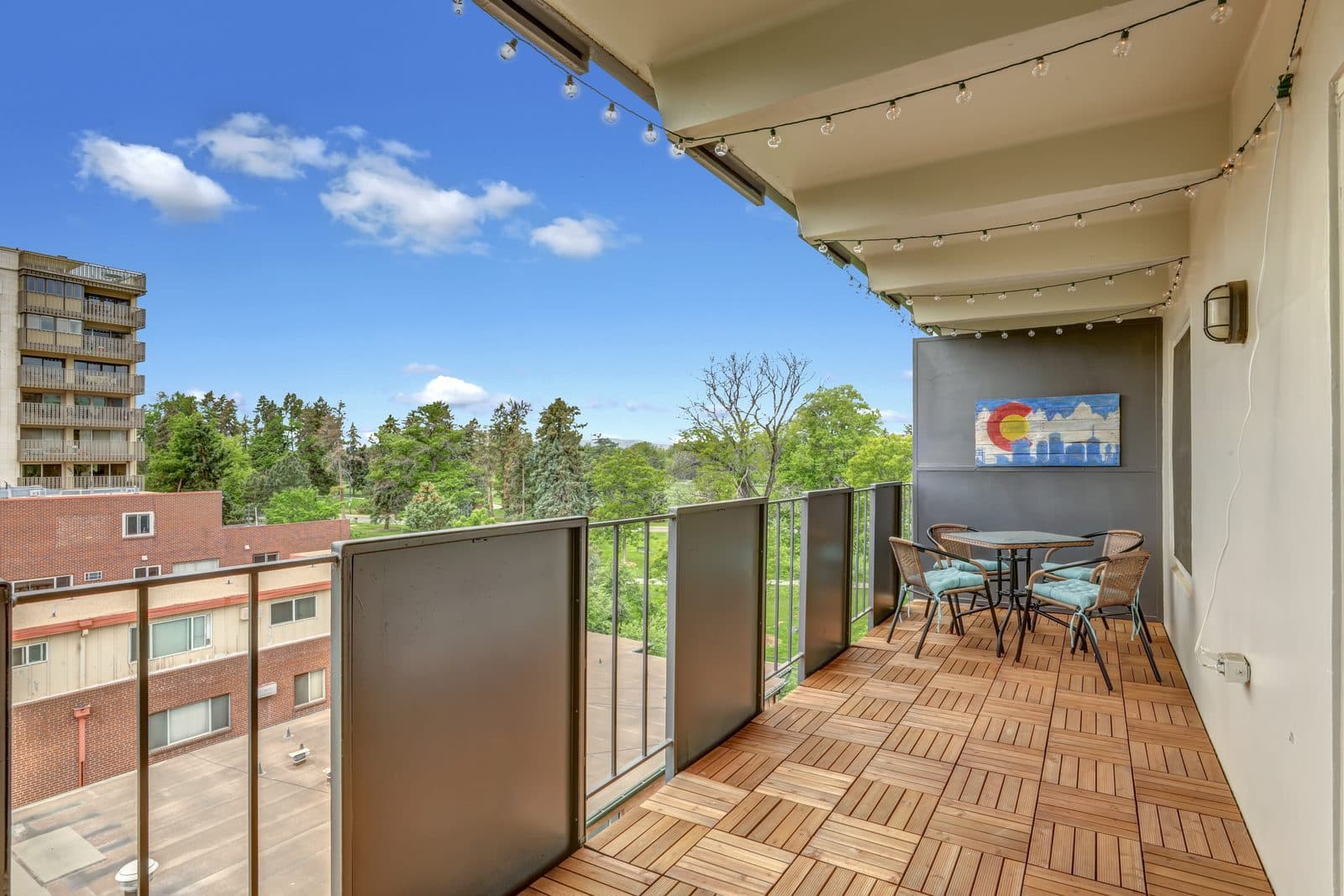
- Parking. "Parking available" sometimes means a paid off-site garage. Confirm whether it's included, covered or street, and how far from the unit — a surprise $200 a month adds up across a contract.
- Utilities. Gas, electric, water, trash, and internet should all be included in a furnished stay. If any are billed separately, add them back in before you compare two places.
- The notice and extension terms. Travel contracts get cancelled and extended on short notice, so before you sign, get clear on how much notice is required to end the lease early and whether it can be extended — and at what rate — if your assignment runs long. A real residential lease binds both sides, so read those terms as carefully as you'd read the contract itself.
One more, less about paperwork: ask to see the actual unit on video before you sign. Most operators will walk you through a place on a call, and thirteen weeks is a long time to commit to a listing you've only seen in photos.
Common questions
Yes. Direct bookings produce an itemized lease and monthly receipts that document rent, deposit, and any utilities included — the format most travel-nurse agencies and tax preparers expect for per-diem and stipend reimbursement.
Yes — the standard travel-nurse contract length aligns directly with our typical guest. We hold pricing on direct bookings for the full contract term so you're not exposed to month-to-month rate changes mid-assignment.
Our central-Denver apartments are short drives from the major hospital systems — roughly 5–15 minutes to Saint Joseph, Presbyterian/St. Luke's, and Denver Health, and about 20 minutes east to the Anschutz campus. Each apartment's page lists the exact drive times for that location.
All Postlease apartments require a 30-night minimum. You pick your own move-in and move-out dates from there — we don't sell in monthly increments, so a 41-night stay or a 67-night stay is fine. Most guests stay 45–90 nights.
Stay with Postlease
Neighborhood guides

Planning a Denver stay of 30 nights or more? Tell us your dates — we reply within one business day.
Send an inquiry
About Postlease
Postlease operates fully-furnished mid-term apartments in central Denver — direct booking with an optional paper lease, plus listings on Airbnb and Furnished Finder. Our team operates every property directly: no franchising, no contractor turnover. Browse current stays →